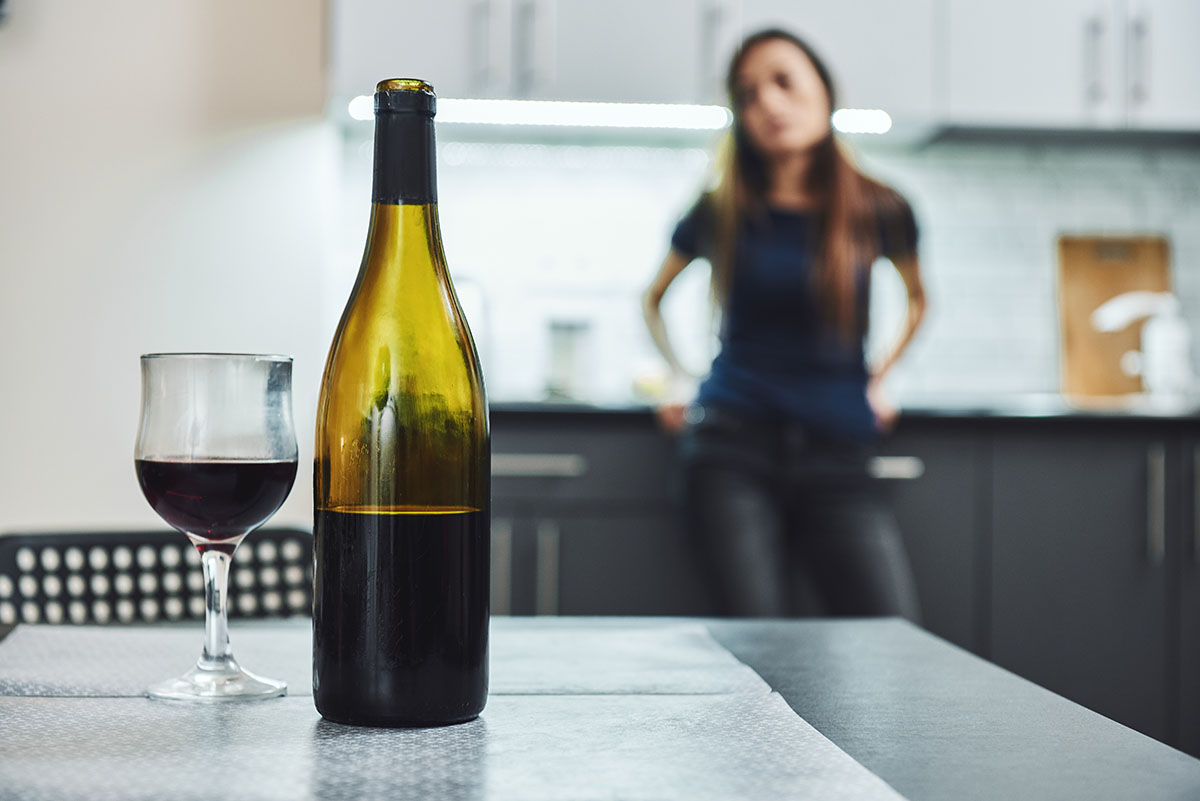
Binge drinking and alcohol addiction get grouped together often and they’re not the same thing, even though people usually assume they are. There’s overlap between them but the actual experience of each is different.
Binge drinkers tend to fall into heavy drinking on weekends or around certain social occasions.
Alcohol addiction runs deeper than that. When someone is dependent on alcohol, the weight of it can be intense enough that families end up watching someone they love spiral, feeling like there’s nothing they can do.
Plenty of people who arrive at treatment aren’t sure which one applies to them, whether they’ve just fallen into a habit or whether they’ve crossed into something closer to addiction.
This article looks at where the two are different and where they overlap. None of this is about putting a label on anyone. It’s about helping someone recognise what’s going on before things get worse.
Getting clean is the first step to addiction recovery. Actually rebuilding an entire life around mind, body and spirit, that’s the part nobody prepares you for.
Nutrition tends to get lost in that rebuild. But what you eat shapes how you think, feel and heal more than most people realise.
Food won’t replace detox or therapy. However it does something real, it helps restore the body’s balance while everything else in recovery gets rebuilt around it.
In Bali where fresh food is simply part of daily life rather than a wellness trend, that idea takes on a different shape entirely.
Gratitude is one of those ideas everyone agrees is good for you, right up until it comes time to actually practise it. It gets mentioned in every self help book and motivational reel on Instagram, but it always seems to be preached by people who seem to have their life together.
If you are in the middle of addiction recovery it is worth taking seriously.
Gratitude will not erase the harder parts of recovery. It will not undo the trauma that led you here. What it can do is change how you relate to your life while you are trying to heal.
At Seasons Bali we take gratitude seriously for a reason. Our therapists have seen that clients who build it into their daily routine tend to report fewer emotional triggers, a calmer nervous system and a stronger sense of direction.
Some of those suffering from drug addiction often find themselves wondering, “Can I recover without rehab?”
Let’s be honest – many people dread rehab and would avoid it at all costs, despite having a strong desire to recover. Some also think that rehabilitation only applies to the more serious cases of drug addiction.
While others simply don’t want to leave the normalcy of their life behind to check into a facility and undergo rehabilitation.
But it’s worth noting that recovery is not a one-size-fits-all solution. Others may be lucky enough to recover without going to rehab.
However, for many people, the only solution is to get treated in a rehab facility such as Seasons Bali.
Between 6pm and 2am, a withdrawal severity score can jump from mild to severe.
That is not a worst-case scenario pulled from a textbook; it is what happens when alcohol withdrawal is progressing faster than expected, and the only reason it gets caught is because a nurse is physically present and running assessments through the night.
Some people may think that alcohol addiction is mainly a male problem, but that’s not the case now.
In fact, research shows that there has been a spike in problematic drinking among women over recent years, which has drawn the attention of public health experts.
There is now an increasing need to understand why alcohol addiction in women is rising and why it can manifest differently than in men.
It’s crucial for early intervention and lasting recovery.
Positive mental attitude during the rehab process does not mean everything is fine. It’s choosing to see hope even in the middle of gloomy circumstances.
Emotional highs and lows, uncertainty, times when progress seems slow – these can come with recovery.
But a positive attitude can serve as a perpetual light amid that gloom. It keeps the focus on what is possible rather than what is formidable and reminds one why they began in the first place.
For a long time, many believed that addiction was simply a matter of personal choice.
They thought of it as something that someone could stop if they just had enough willpower. You might hear phrases like “they just need to try harder” or “they’re choosing that lifestyle.”
However, as science and medicine have evolved, so has our understanding of addiction.
Recovery never comes easily, and it would be even harder if one stays near home.
This is because staying near home brings with it familiar surroundings, which remind you of the places where you can easily access your habits and routines, hence temptations are hard to resist.
All it takes is having reminders of the past everywhere around you to help you get off track from your journey to healing.
Entering a treatment facility felt like entering a different country. Many of the group therapy sessions focused on experiences that did not fully align with her own, and approximately 70% of the residents were men. The data was overwhelming.
It’s a grim fact of life for so many women who try to get help for addiction.
The face of addiction treatment for women has been shifting slowly, but there is a long road ahead. Women’s substance use patterns often significantly diverge from those of men, yet many programmes are still being run under the same umbrella with the assumption that one size fits all.
What do you do when your phone addiction is worse than the substances you’re trying to quit?
Let’s face it — we’ve all been there. We’ve all found ourselves mindlessly scrolling through Instagram at 2am, comparing our chaotic lives to those of others. For women in recovery, delving into this digital maze can be particularly dangerous.
The average person touches their phone 96 times a day. That’s one every 10 minutes of waking time. For women wrestling with addiction or in the early stages of recovery, social media can become yet another way to check out, serving as a kind of escape that is nearly as toxic as the substances they are trying to avoid.
Recovery isn’t just about putting the bottle down or staying away from substances. It’s also about rebuilding your entire life from scratch, brick by brick, habit by habit. And in our hyperconnected world, that means developing healthy boundaries with technology and social media, something that has become increasingly important for long-term sobriety success.
Many individuals are unaware of the extent to which their digital habits contribute to their addiction until they begin their recovery journey. Suddenly, those aimless scrolling sessions, which I had previously associated with drinking, no longer feel as dangerous. The Instagram stories of that party lifestyle are actual triggers.
When an individual is waging a war on addiction, the enemy is not only the substance itself but also brain chemistry and emotional dysfunction and often years of physical neglect.
The thing about it is: While traditional therapy and medical assistance are incredibly important, there’s another powerful ally that has been hiding out really close to home the entire time.
Exercise. Not just any sweaty workout, but targeted exercise that literally rewires your brain chemistry to support long-term recovery.
It is the silent problem most of the time when families are trying to come to terms and heal from the wreckage that addiction causes. Let’s face it, addiction does more than just break relationships and health; it completely crushes money as well. And after a person has been “cured”? That is when the real work begins, especially with the financial issues that always crop up in addiction treatment.
If you are reading this, you are likely either supporting someone through their recovery or are currently in the recovery process yourself. Notably, it often means having direct experience of how addiction can completely wreck a family’s financial stability. All is not lost, however; financial recovery from addiction is possible, though it is not an overnight affair.
Congratulations on taking that first step towards rehab. It is a huge deal, so take a moment to compliment yourself for being brave enough to take that leap.
Now that the paperwork has been sorted, the next thing you need to take care of is the stuff to pack – “What on earth should I bring?”
If you, or someone close to you struggles with addiction. Then you know that recovery isn’t linear. Or easy. One day you feel strong, the next you’re struggling just to get through it. And if you’re reading this then chances are you have tried a lot of different things and you’re pretty open to try whatever works.
That’s where 9D breathwork comes in. At Seasons Bali, we’ve been using this technique as part of our holistic approach to addiction recovery and the results have been pretty remarkable. We’re talking about real, lasting changes in how people process trauma, manage cravings and reconnect with themselves.
Realising that a loved one has an addiction is never an easy process. It can feel as though the rug has been yanked out from under you, especially if you’ve been trying hard to deny the signs for a while.
Maybe you told yourself it’s just a phase, or they’re just signs of stress, or it’s not that bad. But once it really sinks in, it hits hard. And once you’ve gotten past the denial stage, you’re left to wonder: What now?
For many, going to rehab is a big deal. In fact, the hardest part is admitting that you have gotten out of control and are in urgent need of help. And after that comes another question – “What actually happens in rehab?
If you’ve not yet been to rehab, you are probably wondering what to expect. Perhaps, your only references are those that you’ve seen in movies—groups of people in therapy sessions, tough love, and achieving dramatic emotional breakthroughs.
So, you’ve done the hard work, be it detoxing, finishing rehab, or figuring out how to become sober. You deserve applause, and you should be very proud of yourself!
But now comes a challenge that doesn’t get talked about enough – how can you stay sober when the people around you are still drinking or using?
“How long does rehab take?” If you’re planning to get treated for addiction, this is perhaps one of the questions on your mind right now. And it’s pretty understandable! You surely want to know what you are getting yourself into and, more importantly, how long you will be away from your loved ones and friends.
Want to know the answer to this? It depends. Yeah, I know—that’s not the most satisfying answer. But hear me out.
Let’s be real. It’s a tough decision whether to go to rehab or not. Maybe you’re in the middle of the night searching the web for answers to your questions while everyone else is in bed.
Maybe a loved one said, “You might want to think about rehab.” But maybe you knew the answer all along. You just want some confirmation before deciding.
Side Effects of Xanax vary greatly to each individual, it can also be called Alprazolam. It is a popular short-term drug used to treat anxiety, and its effects start about an hour or two after taking it, but can be very addictive if used for a long period.
How does Xanax work?
Xanax is often used when people are experiencing anxiety attacks. It can be classified as a benzodiazepine medication, these drugs help a chemical in the brain called GABA by attaching to your nerve endings, which then blocks other chemicals that are making you unsettled, then resulting in a feeling of relaxation.
Seeking drug addiction treatment is a courageous step. For most people, however, the cost of attending rehab may prohibit them from seeking treatment. It’s a shame there are many that will avoid seeking help simply because they are unsure of how they will pay for it.
Well, here is good news – There are many available options, whether it be Medicare, Private Health Insurance or government-funded programs to cover the cost of your treatment.
Listening to stories from people who have gone through a cocaine addiction can be very confronting, most reveal stories of how the addiction was hell on earth. They spend all that disposable income on cocaine, but then they start spending more and more, miss their work, and stop seeing friends. All this makes them unreliable, untrustworthy, and lack credibility. No one wants to be categorized this way.
When you lack a source of income, yet you are a full-grown adult with needs and responsibilities, it gets harder to make good decisions. There is hardly ever a happy ending for that kind of servitude lifestyle to the drug. At such a point, loved ones are advised not to enable their addictive behaviour but to let them hit rock bottom. From here, they will want to change their habits with the help of some rehabilitation programs.
While marijuana addiction does not have the same consequences as overdosing on opioids, chronic illnesses from tobacco misuse, or the reckless nature of alcoholism, it has a destructive psychological impact. It is most severe for users below the age of 25 whose brains are still developing. Some studies show that teenagers who heavily use cannabis record lower school performance and lifetime earnings.
If you are at a point where you must smoke even if you do not want to, it means you are addicted. With the attention given to hard drugs like heroin and cocaine, the harmful effects of weed are not getting enough attention because it’s cheap and readily available.
Heroin is a powerful drug that doesn’t discriminate—it consumes lives without mercy. It is not too different from morphine, which is naturally found in opium poppy plants. Heroin alters the brain in devastating ways which if unchecked can leave one devastated and rob anyone of several productive years of their lives.
A study from the past shows that endorphins, which are made in the brain, have a similar chemical structure to opiates like morphine and heroin. That’s why the human brain responds quickly to opiates—it’s almost like it recognizes them.
For many families with a loved one that is suffering from a meth addiction, it can be very exhausting and draining on all family members. Methamphetamine is commonly known as meth, it is a stimulant drug that can be highly addictive and is very dangerous to your heath. Which explains why the best form of treatment advice given to people who are addicts is complete abstinence.
Seasons Bali has a few new approaches to how to tackle and stop the addiction, the use of medication like bupropion and naltrexone has made it easier to manage safely and effectively, with professional guidance and counselling.
The invention of Valium in 1963 was a great breakthrough, the lower toxicity when administered with a prescription by a physician gives it an edge over existing drugs.
However, with the increasing liberal availability and widespread usage, people have begun exceeding its prescriptions and miss using the drug.
From Celine Dion’s candid revelations about her near-fatal dependence on Valium during her battle with Stiff-Person Syndrome and the stories about Jordan Belfort and his infamous struggles, the stories surrounding this medication are both compelling and cautionary.
Couples therapy finds problems in the relationship and tries to solve those conflicts between the two intimate partners, sometimes it is referred to as marriage counselling, but partners do not have to be formally married to undergo this extremely helpful therapy.
A licensed counsellor helps the couple understand one another and hopes to create an open communication between them to resolve the challenges in the relationship.
Navigating relationships where an addiction is present can be even harder, even if the two have been together for a long time, you will find that couples therapy is a great way for partners struggling with drug or alcohol abuse to learn to communicate with each other in a healthy kind manner.
Studies published by the National Institutes of Health (NIH) show that couples who were addicts made good progress after attending behavioural couples therapy (BCT).
There are some cases where therapy is not advisable though, if you have a court restrainting order against your partner for your safety. Similarly, if the relationship was brought about by trauma or domestic violence, couples therapy is not recommended.
Getting treated for addiction outside your home country can be very overwhelming. For residents of the Netherlands, Bali and South Africa are the two most popular places for getting rehab treatment. Both provide state-of-the-art facilities, as well as holistic care with international standards.
So, which is right for you? Let’s break it down below.
In this blog, we will consider the two main differences between rehabilitation centres in Bali and South Africa. We will look into what makes each place differ and why many prefer Bali. Its peaceful surroundings, affordable treatment, and complete programs for a holistic recovery appeal the most to Dutch citizens.
We will also share some insights about Seasons Bali, one of the best rehabilitation centres on the island. We will feature success stories that will help illustrate why it is a favourite place for those seeking recovery.
For many people, deciding to start on the road to recovery is one of the most courageous moves they will ever make, something that can leave them feeling emotional. It’s a moment of hope, fear, and uncertainty.
And if you are reading this, you or someone you love is probably at that turning point. We get how overwhelming it can feel. You’re not just going for a treatment – you’re choosing to change your life.
First responders are highly trained professionals, such as paramedics, police officers, firefighters and other emergency personnel who provide urgent care in emergency situations. According to Safe Work Australia, there are over 335,000 first responders in Australia.
Veterans returning home from military service face several challenges when adjusting back to civilian life. The transition is a significant lifestyle change that can be overwhelming and stressful. Often, we think of military personnel affected by PTSD as those who participate in dangerous combat; however, any member of the defence force can be exposed to traumatic events during their service.
As the cost of private rehab centres continues to increase and, waiting lists for public rehab clinics become more inundated, in recent years, Bali and Thailand have seen an influx of addicts and alcoholics seeking addiction treatment from all parts of the world.
Researching and finding a rehab facility can be an overwhelming and confusing task for most.
Some of the crippling consequences addicts face on any given day include isolation, loneliness, depression, shame and fear.
These feelings are just some of the reasons why individuals hesitate to seek treatment. When an addict has a moment of willingness, they only have a small window of opportunity to get the help they need. Placing addicts into a social environment, such as a rehabilitation facility, is crucial in forming early recovery connections.
Family and Addiction – Top Tips to Surviving the Holiday Season
As the end of 2020 approaches (and what a year it has been), families around the world are frantically preparing holiday gatherings filled with food, connection, love and joy. Yet for those who have a loved one in active addiction, a heavy fog shrouds what should be a celebratory season.
So, the Holiday Season is just around the corner. The Christmas and New Year Festivities bring to mind images of family gatherings and cheer, gift-giving and lots of yummy food while for others feelings of anxiety, stress, grief and, fear.
This time of year can be a challenging time for those not in recovery also. The Alcohol and Drug Foundation of Australia advises “rates of alcohol-related harms reach a high in the summer months, beginning from the last working day before Christmas.”
What is Couple’s Addiction Rehab and is it a Good Idea?
The first step towards a life of total abstinence and recovery can be difficult for anyone battling addiction. For couples actively using together, asking for help comes with its own set of challenges.
If only one individual in the relationship is ready to commit to treatment, the likelihood of the other achieving long-term recovery is unlikely.
Although there may be several risk factors for couples who complete drug rehab treatment together, those deeply committed to their relationship and well-being have the potential of living a balanced and fulfilling life together in recovery.
Couples and substance abuse
For the healthiest, committed and, loving couple, the stressors of “life on life’s terms” can often create strain and disharmony within an intimate relationship. When adding substance abuse to the mix, issues can become magnified, driving a couple further into the depths of addiction.
What are the risks if addiction is left untreated?
When the use of drugs and alcohol is the focal point of a romantic relationship, emotions and tension can become elevated and overwhelming, leading to conflict and distance between a couple. If the relationship’s existing issues are left unresolved, it can drive the individuals to use more and furthering their chances of achieving long-term recovery.
When substance abuse becomes uncontrollable, the consequences can cause significant damage to familial relationships. The substance abusers may find themselves completely isolated from family members; a family may decide to cut ties due to toxic behaviour and, children may be removed from the home by child services.
Members of the relationship may not be in a position to maintain employment due to their substance use, which gives way to financial problems. These can include mortgage and vehicle foreclosure, asking for loans from family and friends, selling sentimental and valuable items or theft.
What are the ramifications of COVID-19 on mental health, substance abuse and treatment accessibility?
The ramifications of COVID-19 on mental health are at an unprecedented high. Social and familial isolation, financial uncertainty, loss of employment and panic about the future has caused negative psychological consequences across the world. Subsequently, communities are experiencing mental health and substance abuse crises amongst previously healthy individuals and a resurgence of relapse amongst those with pre-existing issues. Compulsory lockdown measures has seen access to essential resources such as mental health services, substance abuse facilities and support groups move from in person to online. Waiting lists to these services are burdensome.
Mental Health Ramifications:
Mental health has been on the decline since the emergence of COVID-19 at the beginning of 2020. Unprecedented restrictions and extreme changes to daily life have resulted in an increase of depression, anxiety and potential posttraumatic stress disorders. Physical access to mental health resources has been restricted due to social distancing measures resulting in government funded and private organisations moving to a tele-therapy or online platform. According to the WHO however, “more than 80% of high-income countries reported deploying tele-therapy to bridge the gaps in mental health, compared to less than 50% of low income countries.” While countries have attempted to implement temporary solutions in the short term, worrisome mental health trends will continue to emerge in the next six to twelve months. High stress and depressive disorders are said to have contributed to an increase in substance abuse use and relapse.
Substance Abuse Ramifications:
COVID-19 has significantly impacted the health and well being of many communities around the world. Government organisations are reporting an increase of alcohol sales since the beginning of the year, which highlights… One community that has been particularly affected are those who are recovering from substance abuse disorders. Individuals in recovery depend on routine, social support and access to addiction services to maintain their sobriety. Social distancing and changes to employment has resulted in many recovering addicts feeling bored, distressed, confused, afraid and isolated from their social support groups triggering relapse in some as means of relief.
According to the Australian Institute of Health and Welfare:
– The consumption of alcohol, since March 2020, has increased by 14.4%.
– A poll of 1,045 Australians aged 18 years and over conducted by the Foundation of
Alcohol Research and Education concluded:
– 70% reported they were drinking more alcohol than usual, and 34% were now drinking alcohol daily.
– 28% reported they were drinking alcohol to cope with anxiety and stress.
– 32% were concerned with the amount of alcohol either they, or someone else in their household is drinking (FARE 2020).
The demand for substance abuse services, such as detox facilities and government-funded rehabs has almost doubled and waiting lists are at capacity. There is hope however for you or your loved one to travel to Bali to seek treatment with Seasons Bali.
When considering when and where to seek treatment for an addiction, whether for a friend or family member, sometimes people don’t know where to turn – or where to fly, deemed “medical tourism” by some savvy observers of the phenomenon, it’s recently becoming more and more common for people to seek recovery by travelling overseas to an addiction rehab centre to aid their constant struggles with mental illness and substance abuse in a safe and exotic setting. And this isn’t for no reason.
Seasons Bali is recognized for our utmost quality of service with the ISO 9001 International Accreditation. The ISO9001 International Accreditation is a world-renowned series of standards, guidelines, and principles that demand the best of businesses in every arena. Becoming certified in Bali for this international accreditation is an immense accomplishment.
Staying near home is a clear impediment to this already tricky effort. It is sometimes annoyingly easy to get distracted daydreaming about your memories compared to the place you are currently in.
Still, it is also essential to not leave the opportunity for yourself to leave anytime you want.
As more and more scientific evidence is continuously bubbling to the surface of our mainstream news that suggests depression is a highly biologically-caused sickness, there are still convincing clues that propose that depression is as environmentally-induced as ever.
Our environment causing depression is a terrifying concept, but an extremely probable reason for our problems regarding mood. It’s hard to admit to ourselves that our surrounding environment – whether that be our friends, family, location, career, or overall lifestyle- could be the problem.
Studies have shown that if you were to gather the salaries of the five friends you are closest to, the average of those salaries would amount to your own (or at least, extremely close to it). It’s the same with anything else, including lifestyle (such as identifying as a “partier” or a sober person), values, and hobbies.
If the friends that you surround yourself with are not on a progressive life path, you are bound to be unable to push past the boundaries all of them have set for themselves.
Finding Addiction Treatment Abroad Can Help Your Rehabilitation
Searching for a rehabilitation centre can be tricky enough without the additional hurdle of travelling. However, what’s valid for house hunters also holds for those seeking for a second chance at life: location, location, location!
Traveling for rehab can prove extremely beneficial for someone searching for a new life free of drugs and alcohol
It is incredibly beneficial for someone suffering from alcoholism or addiction to relocate so that they may obtain proper treatment. Addiction is a disease that affects all areas of one’s life; the social and cultural effects this disease has on the lives of addicts can also make it difficult for many to maintain early sobriety in the location of their original substance usage.
Those that tend to find themselves in need of treatment often live in a home that is triggering their substance use. Many do not live in an environment that is even remotely conducive to their recovery. For these reasons and many others, more and more people are choosing to travel overseas to obtain rehab treatment.
Connecting With Family Members Suffering From Addiction
Contrary to what many believe, addiction is not merely an individual illness where only the one inflicted suffers. Addiction is a disease that affects the entire network of loved ones that surround the addict. It’s a disease of the family unit, and no one is exempt. Connecting with family members suffering from active addiction can prove incredibly tricky. Addiction is characterised by the addict’s denial of their condition and the isolation that usually comes with that condition.
The good news is that connection is possible when dealing with a family member who is genuinely suffering from a life-consuming addiction. Further, connection is actually crucial to someone suffering from an addiction. Feeling alienated from society is a grave consequence of being addicted to drugs or alcohol. Feeling alienated is also another reason those who are deprived of a connection to others often tend to continue to divest themselves of connection with others as well In an article by psychology today by licensed therapist Robert Weiss, he talks about the wisdom he’s encountered:
“In an increasingly widely disseminated TED Talk titled ‘Everything You Think You Know About Addiction is Wrong,’ British journalist Johann Hari discusses the available research into the underlying causes of addiction and concludes, rather brilliantly, that the opposite of addiction is not sobriety, it’s a connection.
His statement echoes a theme that many 21st Century addiction specialists and I have espoused for years. Addiction is not about the pleasurable effects of substances; it’s about the user’s inability to connect in healthy ways with other human beings. In other words, addiction is not a substance disorder, it’s a social disorder.” Read that again: “Addiction is not a substance disorder; it’s a social disorder.” However, sobriety has been proven to be the best way to approach addiction initially, and this mustn’t be left unsaid.
So, we understand now that connection is vital for addicts to attain and maintain, and studies have been done to prove it. But knowledge without fair suggestions for solutions is pretty much useless. So, how can someone connect with a family member who is struggling with addiction- someone who consequently is having trouble connecting with themselves and others due to the use of mind-altering substances and the preoccupation with attaining them?
Luckily, we’ve gathered some tips for you.
Be Physically Present For Communication
Technology is ever-evolving, but texts and calls can’t pick up on social cues that are involved in the healthy reception of communication. You may be tempted to withdraw to avoid being hurt or disappointed by the addict in your family, but attempting to maintain some in-person communication is essential.
Communication is vital to human connection and survival.
According to Dr Albert Mehrabian who authored Silent Messages, 7% of any message is conveyed through words, 38% through certain vocal elements, and 55% through nonverbal elements (facial expressions, gestures, posture, etc.). Subtracting the 7% for actual spoken content leaves one with the conclusion that 93% of communication is indeed non-verbal.
That being said, it is not wrong to text or calls to check-in with your loved one- it just shouldn’t be the only line of communication.
There are many signs of addiction, but we can start to notice them in behaviour patterns before they develop into a severe condition. You can spot trends in someone’s actions that can provide insight into whether they could be suffering from alcoholism. These will typically manifest themselves into many types of characteristics that can be seen in their day to day routine.
Alcoholism can begin to show itself in signs that can include justification of their drinking, constant issues with the law, friendships that revolve around alcohol, unclear priorities, and neglect of responsibilities.
The Lies And Excuses
Anytime you bring up that you’re concerned about the behaviour of an alcoholic, they try to justify themselves and create excuses for why they drink so much. These are lies that they believe give them reasons to continue this self-destructive behaviour. It feels that every conversation ends with them, lessening the seriousness of their addiction.
Having a positive mental attitude during recovery is one of the most valuable assets you can have. Positivity can help you focus on the better parts of what could be a terrible situation, giving you that extra push forward you needed to get you through the day.
Nurture Positive Relationships
It’s no surprise that having positive people in your life can influence your motivations and overall mood. Establishing meaningful relationships helps you and others create a connection of understanding that helps relieve any tension in your daily lives. It’s valuable to have a friendship that is honest and open to allow you both to be able to speak freely. Keeping all of your thoughts and emotions bottled up is a recipe for disaster. Invest your time into the people you care about, and they will return the favour. Being there for each other when times get hard is what friends do.
Talk to anyone in the field of addiction treatment, and they’ll likely tell you that recovery from drug and alcohol addiction is not a linear path. More than half of addicts and alcoholics who seek treatment for their drug or alcohol problem end up relapsing at some point. To relapse, in the world of addiction treatment, means to return to using a substance such as alcohol, or another illicit drug, after a long time of abstinence.
Sometimes people relapse multiple times before ever achieving sustained sobriety. However, relapse doesn’t ever have to happen, and many people also achieve sobriety the first time they attempt to get clean. We’ve prepared some impressive views for you regarding relapse and the most common reasons it happens and why it’s such a regular part of many peoples’ recovery stories.
A client is forced into their decision to attend rehab or participate in anonymous meetings
Whether someone is “ready” or not for choosing or maintaining their recovery is one of the most prominent causes for addicts and alcoholics that seek treatment to relapse. When someone is ready for sobriety, they thoroughly understand that the life they have been leading previously in the realm of drug use or drinking is not sustainable nor benefiting their quality of life.
On the other hand, clients that are forced into treatment either by the justice system or their families are not always as dedicated or as motivated about their sobriety. Sometimes, those who enter therapy with resistance do, however, end up receiving the “seed” of wisdom that is planted either by staff, at anonymous meetings, or by the clients surrounding them that allows them to open their minds.
The Benefits Of A Life Coach In Addiction Treatment
Chances are, you have had some experience with a type of coach in your adult life. If you have ever used a personal trainer at a gym, you can say that you have experience with a kind of coaching. The trainer designs your workout, nutrition plan, or may assist with any other individual goals you may have in mind. A personal trainer uses their knowledge of physical education, weightlifting, nutrition, or any additional related training they have to help coach you achieve those goals.
Addiction life coaching, also known as recovery coaching, is a form of strength-based behavioural health support for an individual who is suffering from a type of substance use disorder or that is in recovery. It is a way to change a person’s life by altering their thought process. Professional recovery coaches help an addict to make better life decisions and spend less time struggling. They can assist in many different facets of recovery, such as detox, harm reduction, addiction treatment, and gaining the support of family members and loved ones.
Despite the evidence, your own experience and worldview can shape what you will believe about addiction being a disease or a choice. Your view can empower you by giving you the keys to understanding how addiction works. Knowledge, in this case, is power. Research indicates that treatment and changes in policy are likely to result from whether addiction is a disease or not. Although the experts have their view, remember that your opinion is the one that can impact you the most.
What Does A Recovery Coach Do?
The primary purpose of addiction life coaching is to improve an individual’s life, and state of mind, as well as help, reach specific goals that have been set. Together, the coach and the client would come up with a recovery plan and a particular set of objectives.
Traditional therapy sessions typically deal with a person’s past and feelings, while addiction life coaches are non-clinical and do not diagnose or specifically treat addiction or mental health issues. This method of recovery support works under the assumption that enjoying life in recovery will lead to maintaining a successful and productive life in recovery.
The main goal of an addiction life coach is to form a solid foundation geared toward recovery. Addiction recovery coaches help clients recognize the positive things in their lives and their strengths. These strengths may include resourcefulness, creativity, resilience, and whatever else the life coach feels is necessary so they can use them to overcome challenges. They try to make sure the addict has things they want to achieve in life to assure them that recovery is worth the hard work.
Life coaches undergo specific training and practice hours to gain certification. There are various training programs and certifications available, and most offer different levels of accreditation. Training for 60 hours and working with clients for 100 hours will earn an associate certificate. The next level up is a professional certification. A master certification requires 200 hours of coach training, 2,500 hours of working with clients, and 10 hours spent working with a mentor.
Some people may view addiction as a personal choice that an individual makes or as a behaviour that could be stopped willingly at any given time. But, over several years, vast amounts of research have changed the medical community’s understanding of addiction. Many medical professionals now see addictions of all kinds not only as just an addiction, but a complex psychological and physiological problem that demands careful treatment. Addiction has three main characteristics that cause it to be considered a disease.
It has a lifelong course characterised by frequent relapses, cross addiction and a standard set of behavioural changes
Like other chronic medical disorders, genetics plays a vital role in determining who is at risk to become addicted.
There are effective medications that treat drug addiction by blocking the rewarding effects of drugs and decreasing drug cravings.
Society’s Opinion
In the 20th century, the narrative was often about how drug addicts and alcoholics are flawed people who are basically criminals. Although some of those opinions may seem outdated, there are some elements of that overall perception that still exist today. As recently as 2014, studies from the Johns Hopkins Bloomberg School of Public Health found that the general public still holds very negative views of those people who are suffering from addiction. The findings show that the general public feels that these patients should not be granted insurance, housing and employment policies when trying to seek help for themselves by attempting to check into a rehabilitation centre. On the other hand, the same people who feel that way hold more positive impressions of those who have a general mental illness.
Another reason for this is that the public is exposed to outdated images of addicts and the addiction scene in general. Imagery usually presents poor, homeless people who are more often than not from an ethnic minority group, living in the stereotypical neighbourhood areas. Researchers say that more and more drug abusers are your typical day to day white Americans living in the suburbs. They become addicted to their prescription medication, and then make the transition to harder, more dangerous drugs that work in similar ways.
Top 6 Ways To Keep Yourself Focused On Your Sobriety
So, you did it. You have taken the leap and decided that it was time to give sobriety a try. Maybe you have hit rock bottom, or perhaps you just decided that the relationship with alcohol was turning out to be quite an unhealthy one. Whatever the reason, you have taken it upon yourself to try abstaining from alcohol, which means diving into a whole new lifestyle that may be utterly unfamiliar to you.
Of course, if you ask anyone going through this process no matter at what point they may be at, 99/100 will express feelings of being overwhelmed at the beginning stages. These stages can be pretty scary at times, but it is essential always to know that you are not alone in any of these struggles. The move from a supported environment back to healthy living can be a very tough transition for many people. After leaving an addiction treatment rehab centre, for example, you may find yourself often being put in different trigger situations. In this newly found sober lifestyle, being open to different advice from others could be a huge help.
Here is a top 6 list that we comprised based off of all that we have found and that we preach to individuals every day:
Make sure this new lifestyle decision is your choice.
Probably one of, if not the single most crucial step of this process is to do it for the right reasons. Going into this with the mindset that you need to get it over with so you can tell everyone you did it is possibly the worst thing you could do and playing games like that with yourself can be hazardous and even in some cases, deadly. If you are trying to stay clean for the long haul, you must get away from your old routines, habits, and hangouts. Sometimes it is helpful for people new to recovery to make changes. It doesn’t matter what changes, just as long as it is different. Making these changes will help you prove to yourself that you are willing to take the necessary steps to go all-in and that you are focused on achieving this goal.
With the holidays just around the corner, many addicts and alcoholics in recovery can be scared their sobriety will soon be at risk. Family gatherings are around the bend, and celebrations, in general, can be triggering for some people who wish to refrain from celebratory drinks and happy holiday party activities.
There are, however, ways to prevent relapse during the holidays if you are living a clean and sober lifestyle.
It is crucial to remember that it is okay to be nervous about the holidays approaching if you are in recovery. This may even be beneficial so that you can plan and prevent any unnecessary struggles.
Identify Your Triggers
Are your family members toxic for you? Does the sweet smell of eggnog make you wish it were spiked? Although many of these triggers to use drugs or drink won’t overpower you forever, it’s important to identify triggers you could face in due time. No matter how small they may appear, certain triggers
Three things can be helpful to identify as triggering before participating in any holiday activities:
People (Will you be near anyone during the holiday season that will remind you of your using or drinking?)
Places (Is there anywhere you are going that are associated in your mind with drinking or using?)
Things (Will you run into)
If you plan, you can have a sufficient amount of coping skills ready to combat any cravings you face for your substance of choice.
Of course, no one can predict or plan out every single trigger that may arise during the holidays. It is especially important in these cases to have several coping skills prepared.
Is drug and alcohol rehab necessary or can I use self-treatment?
One of the most significant steps in recovery is admitting that you have a problem. Many family members and friends of addicts are keen to get their loved ones into drug and alcohol rehab. But, unless the person understands that they have a problem, there can be issues getting them into treatment.
When someone admits that they have a problem, that is not the end of the story either. Just because you acknowledge that you have a problem doesn’t mean that you automatically check yourself into rehab. Checking into rehab implies responsibility. It means that you have to follow through on your promises to your loved ones. It means that there will be a lot of barriers to using. Hence, many addicts – after admitting they have an issue, still decide to go it alone.
Going it alone means that you don’t have to face the embarrassment of your addiction. It means that you have the freedom to relapse at any time, and you don’t have to explain yourself to anyone. Often going it alone for an addict means that they are not ready to quit. They understand that they have a problem, but they are not prepared to close the door just yet.
So, even though the first step on the road to recovery is admitting you have a problem – it doesn’t automatically flow on from there. Deciding to enter drug and alcohol rehab is a courageous step since it limits your options. It means that to some degree, you are no longer identifying with your addiction as part of yourself – You are beginning to see it as an obstacle to life.
Many people relapse after going through treatment. Statistically, the longer one spends in treatment, the more likely one is to remain in recovery— but even long term participants relapse. Still, for someone with a problematic addiction, self-treating is much more likely to result in a relapse. In other words, self-treatment doesn’t tend to work.
Many things could lead a person to relapse. There is a strong connection between dependent alcohol or other drug use and personal challenges, problems at work, ongoing emotional and psychological issues, and social or economic problems such as financial hardship, rejection by social support networks and challenges in personal relationships.
Much like dependent drug behaviours themselves, the process of recovery – and the reasons for relapse – can be highly personal. A relapse is not a sign that the person is ‘weak’ or a ‘failure’ – it is merely a continuation of old coping patterns that need to be replaced with new ones. (adf.org)
Addiction is a pattern, not a drug
To the outside eye, the process of drug and alcohol addiction treatment is to starve you of the substance until your body is free from it and then like magic you are cured. If only it were that simple.
It is complicated because the drug is merely the vehicle on which the underlying pattern of addiction travels. While the addiction pattern is still there, even if the addict doesn’t relapse into their particular drug, they will always manifest the pattern in other ways.
Russell Brand often talks about his approach to yoga which he later realised to be extreme. This is an example of transferring one’s addictive behaviour to another vehicle. You might think it is a good thing, but even too much yoga, when feeding an addictive habit, is not necessarily good.
Such behaviour continues to deepen the underlying pattern. The result is that, although you spend longer and longer away from alcohol or drugs, your desire to use doesn’t ever seem to leave you.
This is often the case with addicts. Even addicts who have been in recovery for a long time, if you look carefully at their lives, they are manifesting their addictions in other ways. Typical vehicles include obsessions with particular people or subjects; other substances such as cigarettes or coffee; excessive emotions such as pride or anger; food addiction; sex addiction or, extreme engagement in activities such as exercise or sports.
While the underlying pattern is still there, it will always need a vehicle to play itself out. Someone could be in recovery for fifty years and, although they have never touched the substance, they still might not be free of the addiction.
Trauma and abuse. Early exposure to significant adverse experience can contribute to the development of substance use disorders by overwhelming an individual’s coping ability, perhaps by sensitizing brain pathways of alarm/distress, or by adding to the burden of stress. – Psychology Today
If you are facing the pain of addiction or watching a loved one go through it, going on holiday is probably the last thing on your mind. If you are in Australia, you might open Google and type ‘rehab Australia’ and find the treatment centre with the best rating. But, unknown to many people who are seeking help, there is another powerful option — Try typing ‘Rehab Bali’ instead.
Drug and alcohol rehab is one of those things that has traditionally been either very low quality or very expensive. Addiction treatment through the public system has been generally clinical, sterile, but relatively cheap. On the other end of the scale are the high-end rehab centres frequented by and made famous by celebrities such as Charlie Sheen and others.
The road to a sober life can be challenging. You might think that the most challenging part is getting sober, but for most addicts, it is staying sober.
Unfortunately, there are many reasons why an addict may relapse. 40-60% of people who have received treatment relapse within one year – but that’s not necessarily a bad sign. Sometimes, it takes a few relapses to get on the right track: one that is sustainable and full of the wisdom of past mistakes. Still, it would be best if you kept an eye out for signs, as quick treatment is critical for addicts. If you’re wondering how to spot a relapse on drugs or alcohol, then keep reading. We’ll show you the top signs you should look out for.
Their Mood and Behavior Changed
It’s natural to be depressed or anxious sometimes; it’s an unavoidable part of human life. However, if you have a gut feeling your loved one is acting strange, you’re probably right. Maybe it’s irrational irritation when you’ve just asked them a simple thing. Or perhaps are extremely withdrawn lately and never attend any social events.
Don’t be afraid to reach out and ask them if anything was the matter. It may be something unfortunate that happened in their lives, or it may be a relapse. Gauge their response to determine what’s the root cause of their change in mood and behaviour.
Why Traveling is Good for You: Effects of Traveling on Mental Health
In today’s busy world, it can be hard to find time for self-care. If we don’t remember to prioritize it, though, both our mental and physical health can suffer. This is why it may be in your best interest to take the time to explore every once in a while. After all, even experts recognize the value of travelling solo at least once. There are a variety of reasons why travelling is right for you. The good news, then, is you’ve come to the right place by reading this article. Detailed below are key ways that travel can be beneficial for your mental health. Don’t underestimate the value of investing in your mental health, by the way. If you want to live a fulfilling and intentional life, you need to learn how to manage your psyche. Travelling to a foreign place is only one way to do so – but a great one, at that.
Traveling Is Good for You and Your Family
As mentioned above, travelling solo is a worthwhile endeavour at least once in your life. Also, don’t forget to go on a few trips with the people you love the most. Travelling with your family can help strengthen interpersonal bonds. The people you love in life, after all, are an ultimate source of happiness and fulfilment. If travelling helps maintain your relationships, why wouldn’t you schedule vacations together every once in a while?
Doing so could keep everyone happy, healthy, and empathetic. Plus, think about the memories you’ll be making together!
How to Develop Your Intuition: The Tools That Can Help
Anyone here remember John Edward? The once famous TV psychic was at once stage considered one of a kind. These days he seems to have been swept up in the tsunami of psychics saturating the world via the internet. If you re asking how to develop your intuition, you may mean one of two things. Either you are asking how to develop ESP, or you are asking how to build your ‘gut feeling’. Let’s assume the existence of true psychic abilities is something real. The gut feeling and the ESP are not a difference in qualities, but more a difference in volume. What begins with a gut feeling, when amplified and tuned can become flat-out psychic abilities.
Getting your motivation right
This section of the article was initially called ‘The benefits of developing your intuition’. I changed it. Intuition is not something that I am trying to sell, so you don’t need to know the benefits. What is truly important is that you don’t use your intuition to hurt others. In some circles, it is said that the difference between black magic and white magic comes down to motivation. Sure, magic is one of those words we aren’t allowed to use in our modern world, but the point is that whatever skill you are developing, it can easily be used for good or bad. As they say, with great power comes great responsibility. Perhaps this is something that our politicians could pay attention to. What I am saying here is that if you do find yourself developing your intuition, please try not to use it to manipulate people. If you use it to benefit others, it will grow into a skill that becomes very clear. If you begin with the wrong motivation from the beginning, it is more likely to end up hurting you than anyone else.
The Gut is the ‘Second Brain’
It is widely accepted now that the gut is not just a squishy place where food is digested. The gut is a complex system of neurotransmitters similar to the brain.
This mind-gut connection is not just metaphorical. Our brain and gut are connected by an extensive network of neurons and a highway of chemicals and hormones that constantly provide feedback about how hungry we are, whether or not we’re experiencing stress, or if we’ve ingested a disease-causing microbe. This information superhighway is called the brain-gut axis and it provides constant updates on the state of affairs at your two ends. That sinking feeling in the pit of your stomach after looking at your post-holiday credit card bill is a vivid example of the brain-gut connection at work. You’re stressed and your gut knows it—immediately (Source)
Realizing someone you care about has a problem with addiction is no fun. Once you get over your denial and recognize there is a real problem, you need to take action. But what can you do? Addicts are often in denial too. The first step is to talk to the person and help them recognize that they have a severe problem. Then you need to help them understand that they can overcome this problem, one day at a time if they take the right steps. Let’s discuss important things to consider as we explore how to talk to an addict about addiction.
Talk when they are Straight
You probably won’t make much progress if you try to convince a person that they have a problem while they are suffering under the influence of the very problem you want to talk about. Occasionally you might get a response, but any revelations made under the influence tend to be short-lived. Try to predict when the person you need to help will be sober and catch up with them then.
Listen Carefully
Everyone wants to be understood. Everyone wants to be heard. A lot of what addicts will say when you talk to them about addiction will be evasion, denial, or rationalization. It is all-important. It would help if you let them discover and express all the ways they want to duck out of realizing they have a real problem. Only by doing so can you address these dodges. If you don’t listen, they can keep their excuses hidden. And if their excuses are hidden, you can’t explain why they are not good reasons for being an active addict.
Addiction is a complicated affliction. In the last five decades, researchers have made a lot of progress in understanding addiction. They have sought, with some success, to discover how and why people become addicted by observing the real world. Earlier notions of addiction, seemingly based on presupposition and wild guessing with a heaped serving of moralizing, remain widespread. We now know, among other things, that some people have genetic conditions that probably increase their risk of becoming addicted. Clinical workers dedicated to helping people overcome addiction and researchers have noticed that shame is not helping. The modern understanding of addiction replaces condemnation with compassion. That does not mean enabling; it just means we can help more when we refrain from judging. Let’s look at four myths about why people get addicted and straighten out those misconceptions.
Myth One: Addiction is a Moral Failing
Some people think all addicts are just irresponsible hedonists who don’t care about anything except for having a good time. That is not so. Indeed, some irresponsible hedonists become addicted, but that does not mean that all addicts are irresponsible hedonists. Some people wind up addicted as a result of desperately trying to self-medicate to deal with horrific trauma, for instance. That is not a simple case of irresponsible pleasure-seeking. People with strong morals can become addicted too.
When we care about someone, we want to help them; we don’t want them to suffer. Caring for someone who is addicted to a substance or behaviour is complicated. We see them suffering in many ways, but it is challenging to figure out how to help alleviate this suffering without enabling addictive behaviour. We can begin by recognising a fundamental difference between helping and enabling. We can broadly say that helping is doing something for the addict that they could not do for themselves even if they were clean. When you do something for an addict that they could do for themselves if they were clean, you are making it easier for them to remain addicted. Let’s examine the question further and learn how to stop enabling an addict.
Denial is an amazingly powerful force. When a person we care about is addicted, we can come up with all kinds of reasons to overlook the obvious. And just as the famous frog becomes acclimated to ever-increasing water temperatures, a spouse may normalize the progress of their loved one from fun at parties to problem drinker to alcoholic. Whether addiction manifests as a destructive attachment to drugs, alcohol, or behavioural addictions like gambling or eating disorders, there is a line we can say separates the problem drinker ( gambler, etc.) from the addict. When a person cannot control the harmful behaviour, it is more than just a problem; it is an addiction. Food for thought – if you are reading this, what your spouse is doing is causing a problem. So you need them to stop. Maybe they can stop on their own, or perhaps they need help, but your choice to read this article suggests you already know you want them to stop. Now let’s take a closer look and answer the question “How can you tell if your spouse is an addict?”
Is my partner an addict? – Physical Signs
Different forms of addiction cause varying physical changes. Changes in sleep patterns and changes in eating habits are frequent for many addicts. Some addicts may begin to neglect self- care beyond just sleeping and eating problems, and you may notice their hygiene suffers. Several forms of addiction can cause bloodshot eyes. Other physical evidence, like track marks from injecting drugs or bloody noses from cocaine and other inhalants are particular to specific drugs
Perhaps you don’t need to look for physical changes. Maybe you already know your spouse is using a substance that is causing problems that you are concerned about. The question then arises: are they willing to stop for you? If so, can they stop on their own? If not, they are addicted, and they should get help to quit.
When people began to study addiction in the early 20th century, they reached a consensus that it was a form of moral failing and lack of willpower. Continuing research has revealed that these initial ideas were pretty far off the mark.
In the 1950s, we came to recognise alcoholism as a form of chronic disease. We now know that genetic factors, family history of addiction, and other personal trauma contribute significantly to addiction risk. We also know that addiction creates significant changes in the brain that make it impossible to beat addiction by merely asserting willpower. The current view is that all forms of addiction are most accurately viewed as a disease that affects “brain reward, motivation, memory, and related circuitry” in the words of the American Society of Addiction Medicine.
To succeed in getting free from addiction, a real addict needs a solid understanding of their condition and its causes and effects and a good set of tools and techniques for getting clean and staying clean. Let’s take a closer look at how addiction changes the brain.
Different Types of Addiction Produce Different Changes
Every substance or addictive habit produces different physiological results, and each affects the brain differently. For instance, chronic “Ecstasy” or MDMA use severely impairs memory, as does constant heavy alcohol use. Heavy marijuana smokers have a smaller orbitofrontal cortex, a part of the brain that is active during decision making and emotional processing. These changes that are particular to specific substances or habits are harmful, but they do not appear to contribute to the addictive power of a drug or habit. Indeed, recognizing these undesirable changes can help provide an addict with the motivation that they need to support a successful recovery effort.
I am writing this review to express my sincere gratitude and wholeheartedly recommend Seasons Bali to anyone seeking a path to lasting recovery. My six-month stay at Seasons Bali was, without exaggeration, life-saving. From the moment I… More reached out, it was clear that Seasons prioritizes people over profit, consistently going above and beyond to meet my needs and those of my fellow clients.
The admissions process was seamless. I got in contact easily via WhatsApp, and the team promptly arranged comfortable and reliable transportation. This immediate attention to detail set the tone for the exceptional care I would receive throughout my stay.
The clinical team at Seasons Bali is truly impressive. Upon arrival, I received a comprehensive bloodwork analysis and benefited from the constant supervision of a dedicated 24-hour nursing staff.
The treatment program itself is thoughtfully designed and comprehensive. It incorporates a blend of evidence-based practices and complementary therapies, including daily 12 step meetings and work, individual and group counseling, educational workshops, art therapy, yoga, massage, and alternative therapies.
The daily schedule was well-structured, with a balanced rhythm of therapeutic sessions and restorative rest periods. This thoughtful scheduling allowed me to fully engage in the treatment process without feeling overwhelmed. The staff consistently demonstrated a wealth of knowledge and experience in the field of addiction recovery, and their compassionate approach created a safe and supportive environment for vulnerability and growth.
The facility at Seasons Bali is nothing short of stunning. My private room featured a personal plunge pool, powerful air conditioning, a comfortable bed with luxurious linens and pillows, and a writing desk. The staff were always readily available to assist with any need, ensuring a comfortable and stress-free environment.
The beautiful surroundings further enhanced the healing process. Morning walks on the beach and invigorating swims in the ocean were integral to my daily routine. The organized weekend trips were a delightful addition, offering opportunities for exploration, cultural immersion, and connection with my peers. We visited breathtaking waterfalls, participated in authentic Balinese cooking classes, embarked on snorkeling adventures, did charity work, explored local tourist sites, and enjoyed opportunities for shopping. It was really cool how all of the clients got to choose the excursions as a group.
Seasons provided the perfect, safe, and comfortable environment to undertake the deep emotional work necessary for lasting recovery. I left treatment equipped with a robust set of tools to navigate life's inevitable challenges and a strong foundation upon which to build a fulfilling, sober life.
I wholeheartedly recommend Seasons to anyone who is serious about achieving lasting sobriety. In my experience, the longer the stay, the more profound the transformation. During my six months there, I witnessed countless peers experience positive life changes, and I am eternally grateful to the entire staff for their unwavering care and support, especially to Rachael who always believed in me and went out of her way many times outside of work hours to attend to me. Seasons Bali didn't just help me get sober; they gave me the tools and the environment to truly heal and thrive.
How do I do a proper review for Seasons Bali when they literally saved my son’s life? (That’s not hyperbole either)
How do I convey to others that they REALLY CARE about helping a loved one on their recovery and that it’s not a half hearted… More effort or a money grab but a genuine commitment and passion?
How do you express gratitude, especially with how they didn’t give up despite significant hurdles his recovery presented?
How do I explain the measures and responsibility they took to ensure his safety and his medical needs were professionally addressed?
How can I describe the amazing empathetic support I was given during critical moments that eased my fears tremendously and helped me maintain my re-found hope?
How do I explain the relief that comes as a parent knowing from personal interactions, that your loved one is under the supervision of someone with clear depth and insight into addiction recovery?
How do I explain what it means to have hope again when it was all but lost over many years of trying to never give up?
I fear that to successfully answer those questions I am falling far short in expressing my thankfulness to all of the Seasons Bali staff and medical consultants.
Would I recommend them to anyone who needs hope and recovery from addiction?
WITH ALL MY HEART ❤️ Hal
🤗🤗🤗🤗 Rachael that’s for you.
Seasons changed + saved my life. I spent 7 months there. The primary care program was excellent and allowed me to work through difficult emotions and regulate them. Through the transitions program, I learned to reintegrate into society… More without the use of drugs. I worked with T and she was absolutely amazing. I’m approaching 1 year clean now and couldn’t have done it without this program.
Seasons was life-changing for me. I struggled reaching out for help, but am so happy to have ended up here of all places considering the path that I was on.
All staff were super welcoming and supportive.
The facility is peaceful and safe… More and extremely comfortable, in a gorgeous location right on the beach in a quiet part of Bali. There's a coral reef below glassy water which was beautiful to swim above every afternoon.
It really was a transformative experience and the most incredible place to spend some time while I learnt about addiction and ways to bring positive change into my life and I would highly recommend it!!
Thanks Seasons 🙂
Seasons has been life changing for me, words cannot express the gratitude I hold for the staff, the place and everything else they provided for me. I recommend anybody struggling to go to seasons an experience the experience for themselves.… More If I could give 10 stars I would.
There is no harm in starting over, because you get the chance to build bigger and better than before, Recovery is about progress, not perfection. "I understand myself only after I destroy myself. And only in the process of repairing… More myself, I know who I really am. Thank you seasons bali for protecting my life, thank you to this amazing staff and team
I didn't even know I wanted recovery until I tasted freedom. The dedicated and qualified staff guided me through the darkness and helped me find the light. After 16years of addiction, I finally built a solid foundation of recovery.… More I'm just over one year clean/sober and still counting. I couldn't have done it alone. To those struggling help is available - reach out and find meaning and purpose again - you're worth it ♡
Seasons didn’t just save my life, it gave me a life beyond my wildest dreams. I’m celebrating 10 months clean, starting a traineeship in the next few weeks and Studying part time (doing really well in that aswell.) I have a relationship… More with my family that’s better than I’ve ever had, and I’m mentally, physically, emotionally and spiritually healed and growing everyday. Thankyou Seasons. The team here are fantastic.
Such an amazing rehabilitation centre, I am so grateful to the staff and the programme here, with their help I have managed to completely turn my life around. I highly recommend Seasons to anyone struggling with addiction, I felt safe and… More cared for at all times during my stay here and will be for ever grateful to all of the staff at Seasons. Committing to the programme at Seasons was one of the best decisions I’ve ever made.
To: Seasons Rehab Bali....
January 2019, my daughter was a everyday user of The Evil Drug 'ICE' .... My daughter was on the brink of Death, it was either send her to rehab, or arrange a funeral. I have had family friends that… More have been to Seasons Rehab, all with outstanding success. So we arranged for our daughter to go to Bali ASAP. Seasons Rehab is outstanding in every area. The facility is just like a 5 star resort. The staff are just outstanding and so very supportive to my daughter and to us. The program is amazing, the guidance and counselling is of top class level. The Transition House, is the facility to help the clients adjust to living in the mainstream of society. Seasons Rehab arranged a support worker to travel with our daughter to Australia in September for support to us in the time of need.
October 2019, my daughter has now completed 10 months at Seasons Rehab. My daughter is so confidence, so grateful, clean and sober, so much of a better person. The ongoing support, is outstanding, phone calls etc with her sponsor and support staff daily...
We will be forever grateful that Seasons Rehab 'Saved our Daughters Life' ...AMAZING !!!
We have our Daughter Back ❤️❤️❤️
SEASONS REHAB BALI ..."YOU ROCK " ....
Seasons saved my life.
5 Star doesn’t do it justice. 10 STARS
I went to seasons for 28 days in December 2021.
I would have stayed 3 months but financially that wasn’t an option.
All the staff and education were amazing. With international… More accreditations this is undoubtedly one of the best on Bali if you WANT to get clean and sober and stay that way.
Not just the professional councilors we’re amazing but the medical support team( picking me up and checking me out pre admittance) looking after all the clients 24 hours.
Drivers, housekeeping, cooks & the support workers were there for us day & night.
If you want an introduction to 12 step recovery & immediate integration to Bali Fellowship I can’t recommend Seasons team enough.
My story was 2 years pre admittance due to Covid, but from my 1st contact 6 months pre admittance to this day I receive ongoing support from the client liaison team.
I have been back to support others in recovery, am always welcome and look forward to going back to help others with there journey soon.
I just celebrated 6 months and my journey started at Seasons.
I’m really upset by recent negative reviews and felt called to share my truth.
12 STEP Recovery introduction doesn’t get better than this.
See you all for a Coconut Soon !
Came here in April 2021, this place literally saved my life. Done 3 months treatment, followed by 3 months transition which I have almost completed. I’ve seen the lives of so many people change here.. if you can afford it I really recommend… More completing 90 days as this certainly has the best success rate.. The staff are all lovely, good educational groups, yoga and gym, meditation.. 100% all round treatment for your mind, body and soul. Met some lifelong friends as well, wouldn’t hesitate to recommend this to anyone. Richard and his excellent team have all been so supportive and I am very grateful to have had this opportunity to turn my life around.
A fantastically welcoming team of professionals that deeply care about each client’s recovery. I was so impressed by the staff’s accumulated years of experience & recovery shares that resulted in a balanced and unique knowledge base… More from individuals that have actually been through the whole healing process themselves.
The Seasons is ideally located right on the beach that affords clients the space & tranquillity needed to heal. A well thought out program involving counselling, meditation, yoga, great education, AA/NA meetings, & weekend activities.
If you are looking for a rehab that cares about your wellbeing both during treatment and after you have left, then I would fully recommend this beautiful setting where you can solely focus on yourself, your mind, your body & spirit, the Seasons Clinic, Bali.
My wife and I attended the couple program in late 2019. We are both working professionals and found that our use of alcohol had begun to affect our lives in ways that we weren't comfortable with. I guess we were both nervous about… More attending and didn't know who we were going to meet. From the moment we arrived, we were greeted by warm smiles and a ton of compassion. It was an incredible relief to meet people who were in the same boat as us and be guided by people who were in the boat but now safe on dry land. Giving up alcohol has been one of the hardest things I have had to do but now I am free, I cant express the joy that we both feel.Yesterday my wife and I sat on the beach and just watched the sun go down. That was something we would have never considered before. The staff at Seasons are really something else. They were like celestial beings to us. The food is wonderful and the place has a great energy. I loved the white water rafting. My wife loved the art therapy and local cultural events. We always thought rehab would be white hospital walls and people in white coats. Seasons proves that it doesn't have to be clinical. We met incredible people and had a challenging but utterly rewarding and blissful awakening!
Seasons Bali has helped me to change my life around. Without the help of seasons I wouldn’t be the person I am today. The staff members are more than amazing, the accomodation is lovely and the aura of the whole place is nothing short of… More magical. Highly recommend to anyone seeking to overcome addiction and alcoholismRooms: 5/5 | Service: 5/5 | Location: 5/5 …More
Seasons Bali is very accountable rehabilitation facility who can help us to reach our goals in recovery/sobriety , they have professional staff who’s been experiencing recovery them self .They know what they doing that’s the important… More part of this rehab .Located it right on the beach, you can enjoy the sunset with some coconut , or do some catching sunrise in the morning on the boats .Seasons Bali is provide the best service you can ask for .
My name is Steven i arrived at seasons Bali in 2016, i had been in active addiction for 20 years. I started my carpentry apprenticeship when i was 16 and from that moment on drugs and alcohol seemed to be part of my toolbox. What i started… More to notice from very early on that other people that i associated with could pull up after a big weekend and not have to use or drink through the week like i did, i needed a substance to get through daily life and if i did not i was left feeling uneasy and discontent. Many years went by and did not think i had a problem as i was working running my own construction company that was very successful earning a lot money. In 2002 i started using meth amphetamine on a daily basis for almost 14 years i found my life revolved around going to work on drugs to get money to get more drugs, what i found out later on when i arrived at seasons Bali is that i was caught in the cycle of addiction and needed help. My sister and my mother paid for me to go as i was broke and broken , for once in my life i was at a place where i could take some time out and get the help i needed, all of the support staff had once been in addiction themselves so they understood what i was going through. After about two weeks i had detoxed and they showed me how i could live and enjoy life without the use of drugs and alcohol. at the end of my 90 day program i had a much more clear outlook on life and felt hopeful for once, i am now 3 years clean and sober and life could not be better i have achieved goals, been on holidays, and have awesome new hobbies life is great and i am grateful to the crew at seasons and i make it a point to stop in every year to show my gratitude and give hope to other clients.
My husband went to Seasons on June 2019 a broken man, a man who had ran out of reasons to breath. He had lived 30years of his 43year struggling with addiction and mental health associated with addiction. He was withdrawn, angry, unmotivated… More and sad 100% of the time.Our marriage was over we were both just existing in a loveless life.There had been so much damage done over the 28years that we had been together and so many attempts at change that Season was just our last shot before we excepted that we would need to go our separate and that addiction would rob my husbands of his happiness, his children and his willingness to breath.Wow...????????????????Is one word that comes to mind..What Seasons has done for my husband and our family has been so much more than we could ever have dreamt of.The level of commitment and support given to my husband made him feel safe allowing him to get clean and sober after 30years.My husband has now been clean and sober 7 months, his found his smile, his humour and most importantly he likes himself!Thank you Seasons ????I will forever be grateful.
Seasons helped me hit the reset button on my life and what had been a five year long chain of drug dependency. Seasons freed me and I have been able to stay free of drugs since completing the program because of what I learned there and… More how the Counselors helped me feel. It was a transformative experience and I am so grateful I had it.
Just completed the 90 day program and am so grateful for all the staff. The program is extremely effective and the facilities are great. I would recommend to anyone that is struggling with addiction.
It wasn't until I got to Seasons that I realised the extent of my issues. Seasons Bali and staff have saved my life. I have developed tools that I have taken outside to allow me to live and continue living a healthy and happy life.… More
seasons is the best place to help individuals struggling with addiction find the tools and knowledge that will give them the best chance of achieving recovery.
I truly blessed to found this rehab. They help me with my addiction . They show me a new way to live without drugs and alcohol. Great program and amazing worker. Thank you so much from the bottom of my heart ♥️????♥️
Without seasons I wouldn’t be here.The staff there are one of a kind and they helped me through my journey with a kind heart and a wealth of knowledge. Mr. Ahearn was especially helpful as he could connect with me on such a mutual level,… More his understanding and detailed advice was something I’ll always hold onto.Would highly recommend!
Seasons Bali saved my life.I have been to many other rehabs and psychiatric hospitals.Nothing worked before seasons.My family and I are forever grateful.
Highly recommend Seasons Bali. Saved my life, the amazing staff made it better than I could have expected, 3month program changed my life, it was an amazing experience.
Couldn't thank the team here at Seasons enough for all of their hard work and dedication to the cause. Professional and friendly all of the way! Jack in particular made my stay a lot better 😀
thank u so much guys, for helping me to face the reality. and showed me that life is beautiful without drugs and alcohol. I will continue to do my best for my recovery ❤
The staff was friendly, very helpful, and cared. The family program was so helpful to understand the feeling of our love ones , to know who we deal with and how we deal .
World class accommodation, professional/friendly staff and good food! Daily outings, along with consistent peer and staff support. Can't think of anywhere else I would rather go